IHS designs wellness-focused offices that integrate biophilia, ergonomics, and flexible spaces to support employee mental health and productivity. From acoustic design to smart lighting, we help Canadian organizations deliver spaces that foster well-being, engagement, and long-term success.
Understanding the Importance of Mental Health in Office Design
The mental health of employees is a growing concern for organizations worldwide, particularly in Canada where workplace wellness is increasingly prioritized. Office design can greatly influence mental well-being by shaping the physical environment where employees spend a significant portion of their day. By integrating principles of *biophilic design*, *ergonomics*, and *flexible workspaces*, organizations can create supportive environments that foster mental health and enhance productivity.
Biophilic Design and Nature-Inspired Elements
Biophilic design is an approach that incorporates natural elements into the workplace, which has been shown to reduce stress and improve cognitive function. Key strategies include:
- Incorporating natural light: Maximizing window space and using glass partitions to allow daylight to penetrate deep into the office.
- Adding greenery: Using plants and green walls to improve air quality and provide a calming visual effect.
- Utilizing natural materials: Incorporating wood, stone, and water features to create a soothing atmosphere.
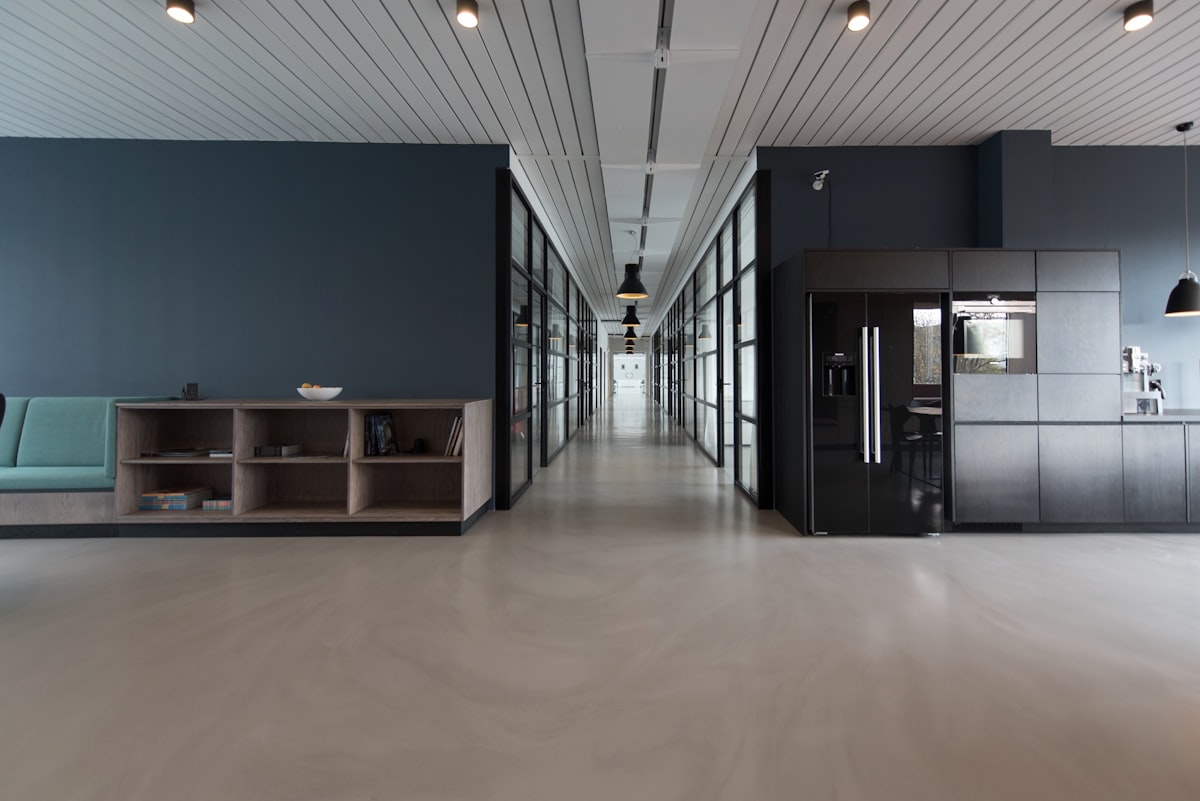
Organizations often find that biophilic design can enhance employee well-being and reduce absenteeism. IHS recommends integrating these elements to create a more inviting and comfortable office environment.
Ergonomic Furniture for Physical and Mental Comfort
Ergonomic furniture is crucial in preventing physical strain and promoting mental well-being. Poor ergonomics can lead to discomfort and chronic pain, which negatively impacts mood and productivity. Essential ergonomic furniture includes:
- Adjustable chairs and desks: Providing options for seated and standing work to accommodate different preferences and encourage movement.
- Supportive seating: Chairs that offer lumbar support and adjustable armrests to reduce stress on the body.
- Monitor stands and keyboard trays: Positioning screens and keyboards to reduce eye strain and wrist discomfort.

By choosing furniture that supports good posture and reduces physical strain, organizations can help mitigate stress and improve overall workplace satisfaction. Our approach at IHS involves recommending ergonomic solutions tailored to the specific needs of each workspace.
Creating Flexible and Collaborative Spaces
Flexible workspaces allow employees to choose how and where they work, which can enhance autonomy and job satisfaction. These spaces can include:
- Quiet zones: Areas designed for focused work, free from distractions and noise.
- Collaborative zones: Spaces equipped with tools and furniture that encourage teamwork and creativity.
- Relaxation areas: Lounges or breakout areas where employees can unwind and recharge.
Biophilic Design
Explore how plants and natural light can transform workplace environments.
Ergonomic Furniture
Discover furniture solutions that enhance physical and mental well-being.
Flexible Workspaces
Learn how flexible spaces can boost productivity and job satisfaction.
Incorporating Technology for Enhanced Well-being
Technology can support mental health by facilitating a seamless work experience. Key technological integrations include:
- Sound masking systems: Reducing noise pollution and creating a more focused work environment.
- Smart lighting systems: Adjusting lighting levels automatically based on time of day and occupancy to enhance comfort.
- Air quality monitoring: Ensuring optimal indoor air conditions to maintain health and alertness.

Organizations that leverage technology to address the sensory needs of their workforce can create environments that support both mental and physical well-being. At IHS, we've observed that integrating the right technology can significantly enhance the overall workplace experience.
Metrics and Standards in Designing for Wellness
When designing office spaces with mental health in mind, it's important to adhere to established metrics and standards. Relevant standards include:
- LEED and WELL certifications: Recognizing buildings that meet high standards for health and environmental performance.
- BIFMA standards: Ensuring furniture meets ergonomic quality and safety requirements.
- GREENGUARD certification: Guaranteeing low-emission products that contribute to healthier indoor air quality.
By following these standards, organizations can create spaces that not only support mental health but also align with sustainability goals. IHS recommends using these certifications as benchmarks in the design process to ensure a comprehensive approach to workplace wellness.
A Forward-Looking Perspective
As the landscape of work continues to evolve, the importance of designing office spaces with mental health in mind will only grow. By prioritizing elements such as biophilic design, ergonomic furniture, flexible spaces, and technology integration, organizations can create environments that support well-being and enhance productivity. Moving forward, businesses that invest in thoughtful office design will be better positioned to attract and retain talent, foster innovation, and achieve long-term success.