IHS designs color-optimized workspaces that leverage color psychology to enhance productivity, creativity, and employee satisfaction. From understanding the psychological effects of different hues to implementing balanced color schemes, we help Canadian organizations create environments that support well-being and performance.
Understanding Color Psychology in the Workplace
Color psychology refers to the study of hues as a determinant of human behavior. In the context of corporate environments, selecting the right color palette is essential for fostering a productive and pleasant atmosphere. Colors can affect mood, energy levels, and even perceptions of temperature and space.
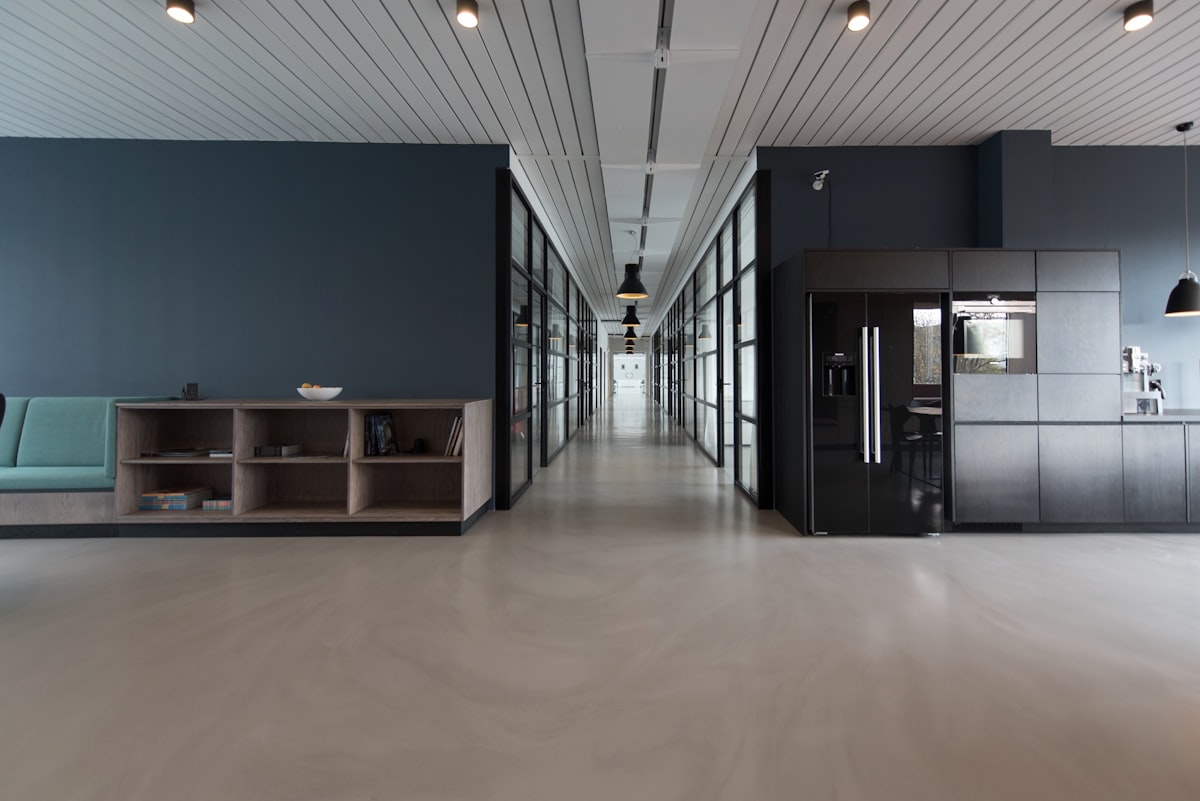
The Impact of Color on Employee Productivity
Research indicates that color can influence cognitive performance and emotional responses, which are critical to workplace productivity. Here's how different colors can affect your team:
- Blue is often associated with calmness and focus. It is an excellent choice for environments where concentration and detail-oriented tasks are paramount. Blue tones can help reduce stress levels, making it suitable for high-pressure areas such as meeting rooms or offices of senior management.
- Green is linked to balance and rejuvenation. It is said to reduce eye strain and is ideal for spaces where employees spend long hours, like open-plan offices. Green can create a refreshing environment that encourages sustained productivity.
- Yellow is known for stimulating creativity and optimism. It is particularly effective in sparking innovation and generating ideas, making it a popular choice for brainstorming areas and creative departments.
- Red is associated with energy and urgency. It can be used to motivate and energize employees, particularly in areas requiring physical activity or where a quick decision-making process is needed.
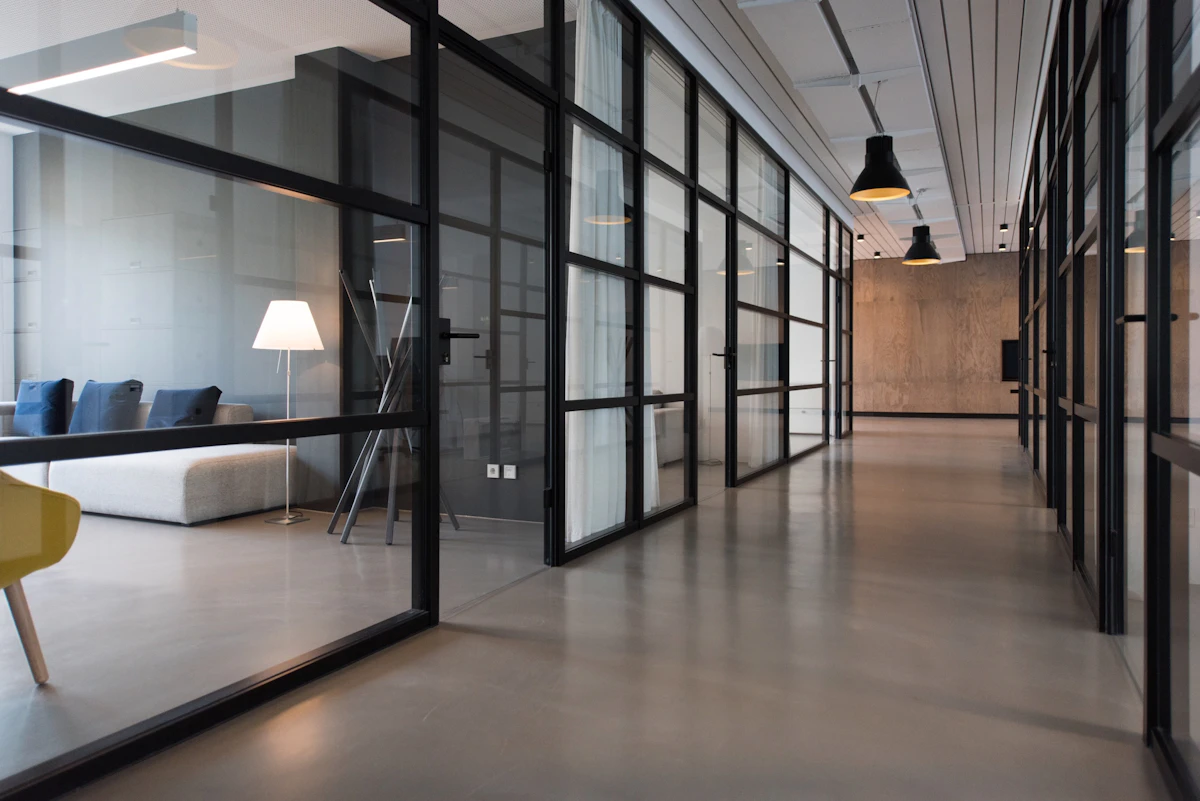
Enhancing Employee Satisfaction Through Color
Employee satisfaction is closely tied to the work environment. Color choice can significantly impact how employees perceive and feel about their workspace:
- Warm colors like oranges and reds can create a welcoming and energizing atmosphere, which might enhance collaboration and social interaction.
- Cool colors such as blues and greens can instill a sense of calm and tranquility, promoting a peaceful work environment.
IHS emphasizes the importance of customizing color schemes to reflect the unique culture and work patterns of an organization. By evaluating the specific needs and functions of different departments, our approach involves selecting colors that align with those tasks and objectives.
Modern Color Schemes
Visualizing the impact of color in office design.
Adaptive Color Palettes
Dynamic colors for flexible work environments.
Color and Mood
How color choices affect employee satisfaction.
Practical Considerations for Implementing Color Psychology
When integrating color psychology into office design, consider the following practical tips:
- Understand the Space Utilization: Analyze how different areas within the office are used. For instance, break rooms benefit from invigorating colors that boost energy, while conference rooms may require calming tones to facilitate focused discussions.
- Balance with Natural Light: Natural light can change how colors appear. For example, a north-facing room may benefit from warmer tones to counteract the cooler light, whereas a south-facing room can handle cooler colors due to the abundance of natural warmth.
- Combine with Texture and Material: A monochromatic color scheme can be made more dynamic by introducing varied textures and materials. IHS often recommends using materials like wood, metal, and fabric to complement the color palette and add depth to the design.
- Consider Accessibility: Ensure that color choices are accessible to all employees, including those with color vision deficiencies. High contrast between text and background colors can improve readability and usability.

Aligning Color Choices with Organizational Goals
Consider a scenario where a tech startup in Toronto is looking to enhance its office to boost both productivity and creativity. By incorporating blues in their coding areas to aid focus and yellows in their brainstorming rooms to spur innovation, the startup can create a balanced environment that supports its dual objectives.
Organizations often find that aligning color schemes with their brand identity and corporate culture reinforces company values and enhances employee engagement. For instance, a company with a strong emphasis on sustainability might opt for shades of green to reflect its commitment to environmental responsibility.
Looking Ahead: The Future of Color in Office Design
As businesses continue to navigate the evolving landscape of work, color will remain a potent tool in shaping productive and enjoyable workspaces. With the rise of hybrid work models, the need to create adaptable and inspiring environments is more critical than ever. IHS recommends a flexible approach to color application, ensuring that spaces can easily transition to meet changing needs while maintaining a cohesive design aesthetic.
In conclusion, color psychology is a powerful component of office design that can significantly influence employee performance and satisfaction. By understanding and strategically applying color principles, businesses can create environments that not only reflect their brand identity but also enhance the overall well-being and productivity of their employees. As leaders in workspace solutions, IHS continues to advocate for thoughtful and deliberate color choices that foster positive and dynamic work environments.